
Czytelnia on-line

Kardiologia holistycznie Terapia 2026, 7 ( 462 ) :  106  -  110

Jakość redukcji masy ciała u pacjenta kardiologicznego z chorobą otyłościową: mięśnie, sprawność i rokowanie w erze terapii inkretynowych

Quality of weight loss in patients with cardiovascular disease and obesity: muscle mass, funkctional capacity, and prognosis in the era of incretin-based therapies

Summary: Modern pharmacotherapy for obesity can produce weight loss previously achievable mainly with bariatric procedures. In patients with cardiovascular disease, however, the number of kilograms lost does not fully describe the clinical effect. High-quality weight loss should predominantly reduce excess adipose tissue, particularly visceral and ectopic fat, while preserving skeletal muscle strength, function, and reserve as far as possible. An absolute decrease in lean body mass is a common component of weight reduction and does not automatically indicate sarcopenia. Its clinical relevance depends on the proportion of fat and lean tissue lost, baseline muscle reserve, rate of weight reduction, nutritional status, and changes in strength and physical performance. Data on semaglutide and tirzepatide show predominant fat-mass reduction accompanied by some loss of lean mass. At the same time, cardiovascular trials have demonstrated improvements in symptoms, physical limitations, exercise capacity, and cardiovascular outcomes in selected populations. Older adults and patients with heart failure, chronic kidney disease, malnutrition, impaired mobility, recent hospitalization, or pre-existing sarcopenic obesity require particularly close surveillance. Assessment of treatment quality should combine body-weight and waist-circumference changes with simple functional tests, evaluation of dietary intake and physical activity, and body-composition testing when clinically justified. Muscle protection requires an individualized energy deficit, adequate and appropriately distributed protein intake, progressive resistance exercise, aerobic activity, and cardiac rehabilitation or physiotherapy when needed. Incretin-based therapy does not replace these interventions and should be integrated into a comprehensive, long-term treatment plan. The clinically meaningful goal is adiposity reduction that improves cardiometabolic risk without impairing strength, mobility, independence, or treatment tolerance.
Keywords: obesity, cardiovascular disease, semaglutide, tirzepatide, skeletal muscle, sarcopenia, physical function, heart failure
Słowa kluczowe: choroba otyłościowa, układ sercowo-naczyniowy, semaglutyd, tirzepatyd, masa mięśniowa, sarkopenia, sprawność fizyczna, niewydolność serca

Choroba otyłościowa wpływa na rozwój i przebieg nadciśnienia tętniczego, miażdżycowej choroby sercowo-naczyniowej, migotania przedsionków i niewydolności serca. Ryzyko zależy nie tylko od BMI, lecz także od rozmieszczenia tkanki tłuszczowej, czasu trwania choroby, powikłań metabolicznych i sprawności pacjenta (1,2). Współczesne zalecenia ujmują redukcję masy jako część przewlekłego leczenia powikłań (1,3).
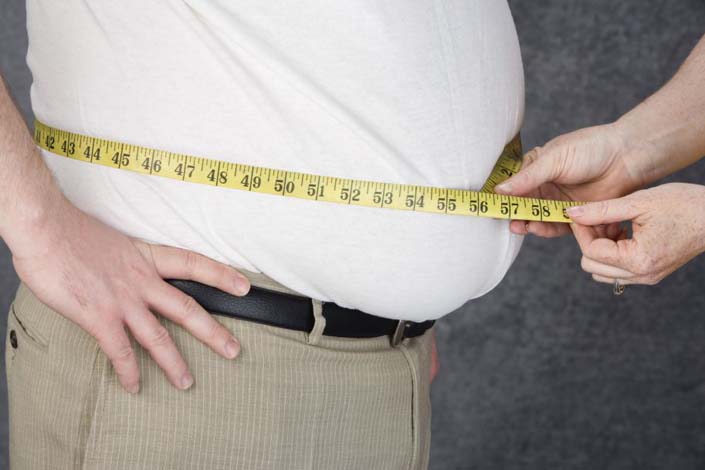
Zdjęcie: Photogenica.

Zaloguj się i przeczytaj bezpłatnie całą treść artykułu.

Nie masz jeszcze konta dostępowego?
Zarejestruj się bezpłatnie, a otrzymasz:
* dostęp do wszystkich doniesień oraz pełnych tekstów artykułów naukowych w naszej Czytelni,
* prawo do bezpłatnego otrzymywania newslettera "Aktualności TERAPIA" z przeglądem interesujących i przydatnych wiadomości ze świata medycyny oraz systemu ochrony zdrowia w Polsce i na świecie,
* możliwość komentowania bieżących wydarzeń oraz udziału w ciekawych quizach i konkursach.
Zapraszamy serdecznie, dołącz do naszej społeczności.

Inne prace autorów:

Dodaj komentarz