
Czytelnia on-line

Medycyna rodzinna Terapia 2026, 3 ( 458 ) :  86  -  92

Nadciśnienie tętnicze – proste czy trudne do leczenia?

Hypertension – easy or difficult to treat?

Summary: Hypertension is the second most common cardiovascular risk factor after hypercholesterolemia. It occurs in approximately one-third of all Polish adults and in three-quarters of Poles over the age of 60. In addition to its high prevalence, hypertension is a very strong risk factor responsible for cardiac, vascular, cerebral, renal, and ocular complications. This makes high blood pressure the most important risk factor worldwide leading to death or life with disability. A reduction in systolic blood pressure by 10 mmHg and diastolic blood pressure by 5 mmHg leads to a 46% reduction in the risk of developing heart failure, a 37% reduction in the risk of stroke, a 22% reduction in the risk of ischemic heart disease, and, as a result, a 20% reduction in cardiovascular mortality. According to current guidelines, the gold standard for antihypertensive pharmacotherapy is combination drugs (SPC), which should be used at every stage of treatment, from initiation to intensification. Preparations containing long-acting drugs are preferred, as they are administered once a day, provide 24-hour BP control, and protect the patient from the phenomenon of morning blood pressure rise. These include combinations of perindopril, indapamide, and amlodipine. The available preparations (two- and three-component combinations) are characterized by pharmacokinetics that ensure stable BP control, without episodes of BP increase or episodes of hypotension. They are well tolerated by patients and have a proven effect on improving treatment adherence, improving BP control, and consequently reducing the risk of organ complications and cardiovascular events.
Keywords: hypertension, treatment, guidelines, combination therapy
Słowa kluczowe: nadciśnienie tętnicze, leczenie, wytyczne, leczenie skojarzone

Nadciśnienie tętnicze jest drugim co do częstości – po hipercholesterolemii – klasycznym czynnikiem ryzyka sercowo-naczyniowego (1). Występuje u ok. 1/3 wszystkich dorosłych Polaków i u 3/4 Polaków w wieku powyżej 60 lat (1–3). Oprócz dużego rozpowszechnienia, nadciśnienie tętnicze jest bardzo silnym czynnikiem ryzyka, odpowiedzialnym za powikłania sercowe, naczyniowe, mózgowe, nerkowe i oczne. Sprawia to, że na całym świecie to właśnie wysokie ciśnienie tętnicze (blood pressure, BP) jest najważniejszym czynnikiem ryzyka prowadzącym do zgonu lub życia z niepełnosprawnością (4).
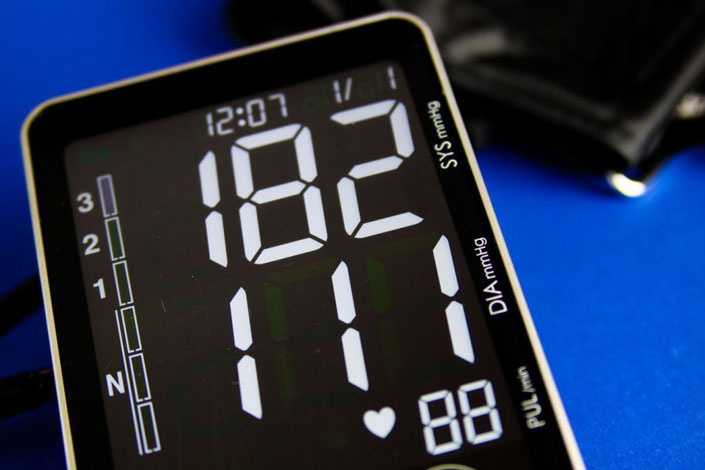
Zdjęcie: Photogenica.

Zaloguj się i przeczytaj bezpłatnie całą treść artykułu.

Nie masz jeszcze konta dostępowego?
Zarejestruj się bezpłatnie, a otrzymasz:
* dostęp do wszystkich doniesień oraz pełnych tekstów artykułów naukowych w naszej Czytelni,
* prawo do bezpłatnego otrzymywania newslettera "Aktualności TERAPIA" z przeglądem interesujących i przydatnych wiadomości ze świata medycyny oraz systemu ochrony zdrowia w Polsce i na świecie,
* możliwość komentowania bieżących wydarzeń oraz udziału w ciekawych quizach i konkursach.
Zapraszamy serdecznie, dołącz do naszej społeczności.


Inne prace autorów:

Dodaj komentarz